
How Stockport Businesses Can Sponsor Local Community Events
A practical guide for Stockport businesses on choosing a community event, contributing cash or skills, agreeing expectations and assessing the benefits.

Stockport businesses can sponsor local community events by choosing an occasion that reaches the people they want to serve, then agreeing a contribution and clear benefits with its organiser. Support might be cash, equipment, staff time or services. Before committing, set a manageable budget, confirm what the event needs and decide how both sides will judge whether the arrangement worked.
Start by asking how an event fits your business and the communities it brings together. A neighbourhood activity may offer direct local contact, while a larger public gathering could suit a business seeking broader visibility; neither is automatically the better choice.
Sponsorship works best as a partnership, not just a logo placement. A written agreement can prevent misunderstandings about promotion, access, safety responsibilities and what happens if plans change.
- Choose an event whose purpose, audience and location suit your business.
- Offer cash, goods, services or staff time only where the organiser has a clear need.
- Write down contributions, recognition, responsibilities and arrangements for changes.
- Review what worked with the organiser before considering future support.
Why local event sponsorship can benefit your business
Build trust through local support
Supporting an event can show Stockport residents that your business is willing to contribute to community life, not simply sell to it. That impression is strongest when the support meets a real need, such as helping an organiser provide accessible activities or equipment. Choose an event whose purpose you can genuinely stand behind.
A visible presence can also introduce your business to people who may not otherwise encounter it. For example, a staff member helping at a community activity can answer questions in a relaxed setting, while a banner alone may attract less meaningful attention. Make sure any interaction suits the event and does not interrupt its activities.
If a budget includes a supplier quote in Turkish lira, güncel döviz kurları can help you understand the exchange-rate context before discussing the cost. Treat that information as an estimate, then confirm the supplier’s actual terms and payment arrangements. The main sponsorship decision should still rest on the event’s local fit and the value of the proposed contribution.
Make benefits measurable
Decide what a useful outcome would look like before you agree to sponsor. A business might want to meet local customers, give employees a chance to volunteer, or support an activity that matters to its neighbourhood. Naming the priority helps you avoid judging the arrangement only by how often a logo appears.
Choose evidence that matches the aim and can be collected without burdening the organiser. You might record enquiries made at a stall, note staff participation, or ask the organiser what feedback they received from attendees. Keep expectations proportionate: a community event can build relationships, but it cannot guarantee future sales.
Review the result after the event while details are fresh. Compare what was agreed with what was delivered, then discuss any gaps respectfully with the organiser. If the partnership was useful for both sides, keep a record of what worked so a future contribution can be planned more effectively.
- Set one primary business objective.
- Agree evidence that is practical to collect.
- Review the outcome with the organiser.
Choose an event that fits your business and audience
Match audience and purpose
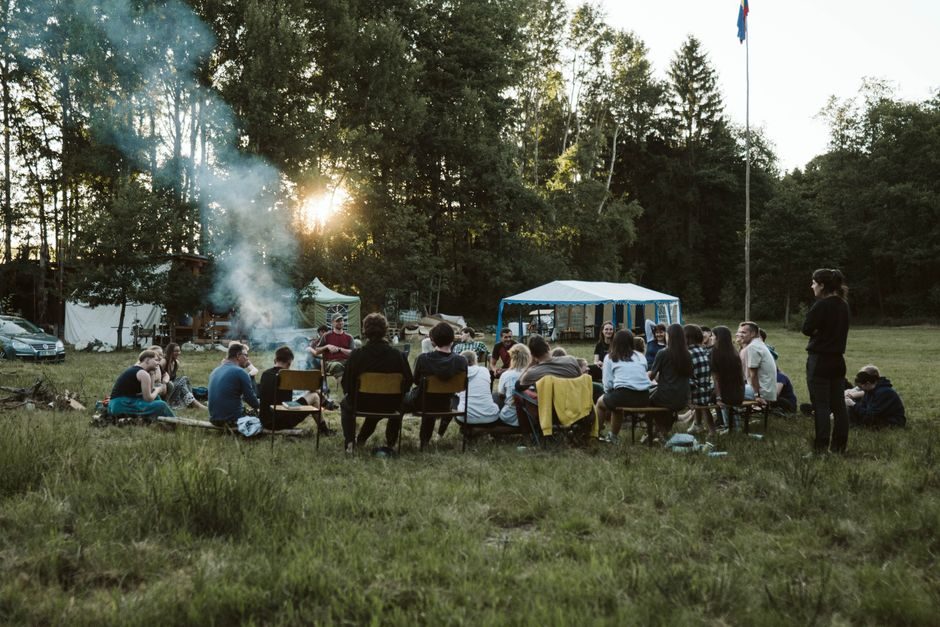
Look for an event whose attendees and purpose make sense for your business, rather than choosing on name recognition alone. A family activity may suit a service used by households, while a community arts programme could align with a business supporting local culture. Ask the organiser who the event is intended to serve and what it aims to achieve.
Think about where people are likely to come from and whether the event feels accessible to them. Stockport’s districts have distinct communities, so a neighbourhood gathering may be more relevant than a wider event for a business with a nearby customer base. Check how the organiser plans to reach people and whether the format welcomes your intended audience.
Consider whether your business can add something that fits the event naturally. A food retailer might support refreshments where appropriate, while a professional service could offer practical help behind the scenes. If the connection would feel forced to attendees, look for another opportunity or support the organiser without turning the event into a sales pitch.
Check the organiser and practicalities
Before offering support, establish who is responsible for the event and how decisions are made. Ask what the organiser has planned, what help is still needed and whether other sponsors already have agreed roles. These conversations reveal whether your contribution would fill a genuine gap or duplicate support already in place.
Check practical details that affect your ability to take part, including the event format, expected timings, site access and any limits on signage or promotional activity. Ask how the organiser handles safety and accessibility, and who should be contacted if arrangements change. Do not assume that a public setting means every kind of promotion is permitted.
Choose an opportunity that your business can support reliably, even if plans evolve. A smaller commitment delivered as promised is more useful than an ambitious offer that strains staff or operations. Confirm internally who will approve the contribution and who will manage communication with the organiser from the first discussion through the event.
- Ask what support the organiser actually needs.
- Check access, timing and promotion rules.
- Confirm your business can deliver the offer.
Ways to contribute beyond a cash sponsorship
Offer useful goods or services
A contribution of goods or professional services can be valuable when it answers a specific need the organiser has identified. This might mean lending suitable equipment, providing printing or helping with a practical task, rather than making a cash payment. For an overseas supplier’s quote, an online döviz çevirici can provide a quick estimate to support your budgeting.
Agree the details before promising anything: what will be supplied, when it will arrive, who will collect it and whether it must be returned. Check that the items are appropriate for the event and that the organiser can store or use them. A donation that creates extra handling work may be less helpful than a simpler alternative.
Be clear about any conditions attached to an in-kind contribution. If equipment needs a trained operator, or a service depends on advance preparation, spell that out so the organiser can plan. Where a supplier quote is involved, confirm its currency, delivery costs and final payment terms directly rather than relying on a conversion estimate.
| Contribution | Useful when | Agree in advance |
|---|---|---|
| Cash | The organiser needs flexible funding | Amount, purpose and recognition |
| Goods or equipment | A specific item is needed | Suitability, delivery and return |
| Services | Practical expertise fills a gap | Scope, timing and conditions |
| Staff time | A defined task needs volunteers | Role, supervision and schedule |
Contribute time and expertise
Staff time can support an event when the organiser needs people for a defined task. Employees might help with welcoming attendees, setting up or sharing a professional skill, provided the role is appropriate and properly supervised. Agree the shift, instructions and named contact in advance so volunteers are not left uncertain about what to do.
A business can also contribute expertise behind the scenes, such as helping an organiser review publicity or plan a simple booking process. First ask whether this assistance is wanted; do not presume that an unpaid offer will fit the organiser’s schedule. Keep the scope focused so the support is useful and does not create an ongoing obligation.
Make staff participation voluntary and explain what the event involves before anyone commits. Consider work schedules, travel, accessibility and any relevant workplace procedures. If employees will represent the business publicly, give them clear guidance about their role and who can answer questions beyond their area of responsibility.
- Offer a clearly defined volunteer role.
- Agree the task and supervision with the organiser.
- Check staff availability and workplace procedures.
Write down what each side will provide and what the sponsor will receive in return.
Agree expectations with the event organiser
Put the agreement in writing
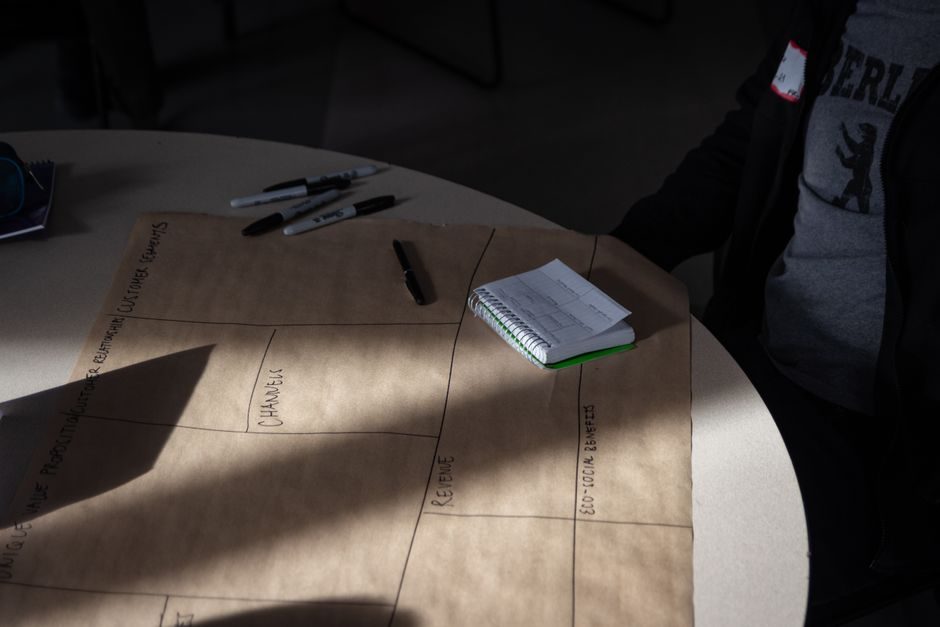
Write down what each side will provide and what the sponsor will receive in return. Include the contribution, delivery arrangements, agreed recognition, important deadlines and the organiser’s contact for decisions. A straightforward written record gives both parties something to check if memories differ or staff changes affect the planning.
- List the contribution each side will provide.
- Specify recognition and delivery arrangements.
- Set approval dates and named contacts.
- Record restrictions and how changes will be handled.
Describe promotional benefits precisely rather than relying on broad promises. For example, specify whether recognition means a listing in event materials, a sign at the venue or a mention in a particular communication. Agree who supplies logos or wording, who approves it and when materials must be ready.
Record any limits as well as commitments, including restrictions on sales activity, access to the venue or use of event photographs. If the organiser cannot guarantee a particular placement, say so plainly and discuss an alternative. Clear boundaries help protect the event’s character while giving the business a realistic account of its recognition.
Plan for changes and follow-up
Agree how both sides will communicate if the event changes or cannot go ahead as planned. Decide who will notify whom, how quickly they should make contact and what happens to money, goods or staff time already committed. The appropriate response depends on the circumstances, so avoid leaving cancellation arrangements to guesswork.
Ask the organiser how event-day issues will be handled and who can make decisions on site. This matters if a stall needs to move, a volunteer cannot attend or a planned activity has to change. Give your own representative a clear contact and enough information to respond without making commitments they are not authorised to make.
Arrange a short follow-up after the event to confirm what was delivered and gather useful feedback. Thank the organiser and staff who contributed, then note any improvements for another occasion. If either side has concerns, discuss them directly and constructively before considering another sponsorship arrangement.
- Name the contacts for event-day decisions.
- Agree a process for cancellations or changes.
- Schedule a practical post-event review.
Make the most of your sponsorship
Turn Support Into Useful Contact
Agree in advance how attendees can find and speak with your team, rather than relying on a logo being seen. A staffed information table, a practical demonstration or a clearly signposted offer can make your contribution useful to visitors. Choose an approach that suits the event’s format and does not obstruct entrances, walkways or access arrangements.
If the organiser offers a display space, ask about its position, size, furniture and power before preparing materials. Check whether you need to bring your own table covering, signage or equipment, and who will be responsible for setting up and packing away. Clear details prevent last-minute costs and help your staff arrive ready to engage.
When checking a quoted amount from Turkey, şu an dolar kaç TL may help you understand a supplier’s price if it is stated in US dollars. Compare the supplier’s written total with your agreed budget, including any delivery charges or conversion fees. Confirm the currency and payment terms before approving the purchase, rather than relying on an informal estimate.
Make Follow-Up Feel Natural
Give visitors a simple reason to continue the conversation after the event, such as a relevant contact card or a clearly explained next step. Ask permission before adding anyone to a mailing list, and explain how their details will be used. A brief, respectful exchange is more useful than collecting contacts without context.
Prepare staff with a short explanation of what the business does and why it chose to support the event. They should be able to answer basic questions and direct specialist enquiries to the right colleague. If the event is busy, agree who will take breaks and who will keep the stand or activity covered.
Record useful observations while they are fresh, including common questions, visitor reactions and any practical issues with the setup. Do not treat every conversation as a sales lead; community events bring together people with different needs. A short internal note can help you improve future participation without making attendees feel they were being assessed.
Check costs when suppliers are based overseas

Confirm The Full Quoted Cost
Ask an overseas supplier for a written quote that identifies the currency, what is included and when payment is due. A headline price may not cover delivery, customs charges, taxes or installation, so check which party is responsible for each item. Confirm the final amount your business will pay before committing sponsorship funds.
- ☐ Get the quote and payment currency in writing.
- ☐ Ask who pays delivery, customs charges and taxes.
- ☐ Check bank or payment-provider fees before approval.
- ☐ Confirm dispatch timing and a backup supply option.
If a quote is in a foreign currency, allow for the possibility that its sterling equivalent may change before payment. Check the exchange rate and the payment provider’s fees close to the transaction, then compare the result with the amount set aside. Keep the supplier’s quote and payment record together so the event budget remains auditable.
Check that the supplier can meet the event’s delivery and setup schedule, not just the order deadline. Ask for dispatch details, tracking arrangements and a contact for problems, especially if items are essential to your contribution. Have a local alternative in mind for time-critical materials, and do not promise the organiser an item until supply is confirmed.
Keep Records And Check Requirements
Save invoices, order confirmations and proof of payment with the sponsorship paperwork. If your business needs to account for VAT or import charges, ask its accountant or adviser how to record the transaction; do not assume the supplier’s invoice answers every tax question. Keeping the trail together makes it easier to reconcile the final spend.
Ask whether the product meets any safety, labelling or electrical requirements relevant to its use at the event. This matters particularly for equipment that will be plugged in, handled by the public or used around children. Confirm responsibility for checks with the supplier and organiser before delivery, and do not use an item if its suitability is unclear.
A supplier’s delivery estimate is not a guarantee that an item will arrive in time for an event. Build in room for delays and agree what happens if the order is late, damaged or incomplete. If the contribution depends on imported goods, tell the organiser early about any uncertainty and agree a replacement plan rather than leaving a gap on the day.
Promote your involvement responsibly
Use Accurate Event Information
Check the event name, location, timings and accessibility information with the organiser before publishing a promotion. Details can change, and an outdated post may send visitors to the wrong place or create expectations the event cannot meet. Use the organiser’s approved wording where available and make clear whether your business is a sponsor or simply taking part.
Get permission before using the event’s logo, photographs or branded artwork, and follow any rules on size and placement. Ask whether the organiser has approved images that can be shared, rather than downloading pictures from social media. Credit photographers when required and avoid editing images in ways that could misrepresent the event or its participants.
Keep claims about your contribution specific and verifiable. If you are funding equipment, say that plainly instead of suggesting your business runs the whole event. Before announcing a giveaway, activity or offer, confirm it is permitted and that you can deliver it as described; a modest accurate message builds more trust than an exaggerated claim.
Respect Attendees And The Organiser
Do not photograph or film identifiable attendees for business promotion without appropriate permission, particularly when children may appear in the frame. Ask the organiser about its photography policy and use agreed filming areas or consent processes. If someone declines to be included, respect that choice and make sure your team knows how to respond.
Promotional materials should be easy to read and should not crowd out information visitors need about the event. Keep signs within the agreed space, avoid blocking routes and follow instructions on noise or sampling. These practical courtesies help the event run smoothly and show that your business understands its role as a supporter.
Coordinate announcements with the organiser so your message does not conflict with event updates or other sponsors’ commitments. If you plan to invite local customers, tell them which information is confirmed and where to check for changes. That approach helps visitors make informed plans without implying that your business controls the event.
Review the partnership after the event

Compare Results With Your Aims
Review the sponsorship against the aims you agreed before the event, rather than judging it only by immediate sales. Consider whether the contribution reached the intended community, whether attendees engaged with your activity and whether the organiser delivered the agreed recognition. Use observations and records, not guesswork, to explain what worked and what needs adjustment.
- Compare outcomes with aims agreed before the event.
- Use attendee and staff feedback to identify improvements.
- Discuss next steps with the organiser before making promises.
Ask staff who attended what questions came up and whether the setup made conversations easy. Compare their feedback with any simple measures you planned, such as enquiries, samples distributed or sign-ups made with permission. Treat these figures as useful context, not proof that sponsorship alone caused a later sale or change in customer behaviour.
Request feedback from the organiser while details are still fresh. Ask whether your contribution met a genuine need, whether communication was timely and what would make working together easier next time. Their perspective can reveal practical issues that your team did not notice, such as setup delays or a mismatch between the activity and the audience.
Decide Whether To Continue
Decide whether to support the event again only after reviewing the benefit to the community and the demands on your business. A good fit may justify a different contribution next time, such as lending equipment instead of funding materials. If the event did not meet its aims, discuss what could change before ruling out future involvement.
Close out outstanding tasks promptly, including returning borrowed items, settling approved invoices and sending any promised information to the organiser. Check that photographs or promotional materials are stored and used according to the permissions you received. A tidy finish leaves both sides with a clear record and avoids confusion about what remains owed.
Write a short note for whoever will make the next sponsorship decision, even if that is you. Include the agreed contribution, actual costs, useful feedback and any deadlines that caused difficulty. This record helps a future decision start from evidence, while leaving room to reassess if the event, audience or business priorities change.
Frequently asked questions
How should a small business approach an event organiser?Write a concise message explaining what your business does, why the event interests you and what kind of support you could offer. Ask whether the organiser is considering sponsors and what needs are not yet covered. Avoid assuming that a sponsorship package exists or that cash is the only useful contribution. A clear, open question gives the organiser room to suggest a practical fit.
Can a business sponsor an event without paying cash?Yes. Depending on what the organiser needs, a business might lend suitable equipment, provide materials, offer staff time or help with a specific service. Agree the contribution’s scope, timing and responsibilities in writing, including who handles transport and setup. In-kind support still has costs for the business, so check its value against your budget and make sure it genuinely helps the event.
What should a sponsorship agreement include?Record what each side will provide, when it will happen and who is responsible for delivery. Clarify agreed recognition, use of names and logos, access to the venue, payment terms and what happens if plans change. Include any relevant safety or photography requirements. A straightforward written record helps prevent different assumptions, even when the contribution is small or the relationship is informal.
How can a business tell whether sponsorship was worthwhile?Start with the purpose agreed before the event, such as supporting a local activity, meeting potential customers or raising awareness of a service. Review direct costs, staff feedback, attendee response and the organiser’s view. Not every benefit is immediate or easily counted, so separate observed outcomes from assumptions. Use what you learn to decide whether to repeat or adapt the contribution.
A Clear Plan For Local Support
Good event sponsorship begins with a real community need and a contribution your business can deliver reliably. Confirm the organiser’s expectations, account for the full cost and communicate only details that have been checked. Afterward, compare what happened with the aims you set, then use honest feedback to improve the arrangement rather than assuming that visibility alone made it successful.
For a practical next step, identify one Stockport community event whose audience or purpose fits your business and contact its organiser with a specific offer or question. Ask what support would be useful, agree responsibilities in writing and set a simple way to review the result. That conversation can establish whether there is a worthwhile partnership without assuming opportunities are currently available.
Add Stockport Wire as a preferred source on Google


